


The Ultimate Guide to Forex Trading Brokers
Choosing the right forex trading brokers Global Trading Brokers is crucial for achieving success in forex trading. As a trader, you’ll encounter various brokers that offer a wide range of services. This guide will navigate you through the essential aspects of forex trading brokers, helping you make an informed decision.
What is Forex Trading?
Forex trading, or foreign exchange trading, involves buying and selling currencies to make a profit. It is one of the most liquid markets in the world, with trillions of dollars traded daily. Forex trading is conducted through brokers who provide a platform for traders to execute their trades. Understanding how to navigate this market effectively is critical for any trader’s success.
Types of Forex Trading Brokers
Forex brokers can be classified into several categories, each catering to different types of traders and trading strategies. The main types are:
- Market Makers: These brokers provide liquidity by creating a market for currency pairs and profiting from the spread between buying and selling prices. They typically allow traders to execute trades at any time.
- ECN Brokers: Electronic Communication Network (ECN) brokers connect traders directly to the interbank market, offering tighter spreads and faster execution. They charge a commission on each trade.
- STP Brokers: Straight Through Processing (STP) brokers also connect traders to liquidity providers, but they aggregate quotes from multiple sources to offer the best available price.
- DMA Brokers: Direct Market Access (DMA) brokers allow high-frequency traders to access markets without the need for a broker intermediary, resulting in quicker trades.
Key Features to Look for in a Forex Broker
Selecting a forex broker requires careful consideration of various factors. Here are some critical features to evaluate:
- Regulation: Verify that the broker is regulated by a reputable authority. This ensures that the broker adheres to strict financial standards and consumer protections.
- Trading Platform: The trading platform should be user-friendly and equipped with necessary features, including advanced charting tools, demo accounts, and mobile trading capabilities.
- Spreads and Commissions: Analyze the broker’s spreads and commission structure. Lower trading costs can significantly impact your profitability.
- Leverage: Forex brokers offer various leverage options. Choose a broker that provides leverage suitable for your trading strategy while ensuring you manage risks effectively.
- Customer Support: Accessible customer support and educational resources can significantly enhance your trading experience, especially for beginner traders.
The Importance of Customer Support
The forex market operates 24 hours a day, making immediate access to customer support essential. It’s vital to choose a broker that provides multiple support channels, including email, phone, and live chat. Moreover, their responsiveness and the quality of assistance provided can highly influence your trading experience. Test their support services and gauge the availability and expertise before starting your trading journey.
Understanding Spreads in Forex Trading
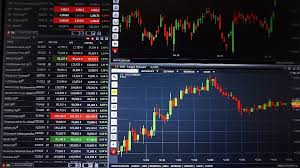
The spread is the difference between the bid (selling) price and the ask (buying) price. It serves as a cost of trading and varies depending on the broker and market conditions. Brokers may offer fixed or variable spreads, each having its advantages. Fixed spreads provide predictability in trading costs, while variable spreads can be more advantageous during times of high market liquidity.
Traders should also look out for any hidden fees or overnight costs, known as swap rates, as these can impact long-term trading profitability.
Evaluating Trading Platforms
A robust trading platform significantly contributes to a trader’s performance. Evaluate whether the platform supports various chart types, technical analysis tools, and integrates easily with automated trading systems, such as Expert Advisors (EAs) for MetaTrader users. The platform’s speed and reliability are also critical factors—delays or downtime during crucial market movements can lead to losses.
Trading Accounts Offered by Brokers
Most forex brokers provide a variety of account types to cater to different trading styles and levels of expertise. Common account types include:
- Standard Accounts: Suitable for most traders; they usually require a minimum deposit and offer standard leverage.
- Mini and Micro Accounts: Designed for beginners, these accounts allow for smaller trade sizes, reducing financial risk.
- Islamic Accounts: These accounts are swap-free and comply with Sharia law, making them suitable for Muslim traders.
Choosing the Right Forex Broker
When choosing a forex broker, it is essential to assess the available information critically. Start by reading reviews and feedback from other traders. This can provide valuable insights into the broker’s reputation and reliability. Additionally, use demo accounts to explore various platforms and find the one that feels best suited to your trading style.
Start with a small investment to test the broker’s trading conditions before committing larger sums. Always be sure to understand the risks associated with trading and employ effective risk management strategies to protect your capital.
Conclusion
The forex trading landscape is vast and varied, with a multitude of brokers to choose from. Selecting the right forex broker can dramatically influence your trading success. By considering factors such as regulation, trading costs, customer support, and platform functionality, you can make an informed choice that aligns with your trading goals. Invest time in research and practice on demo accounts to enhance your trading skills and strategies. Happy trading!